
Building Interpersonal Skills in Student Leaders: A Workshop Case Study from Singapore by Friendzone
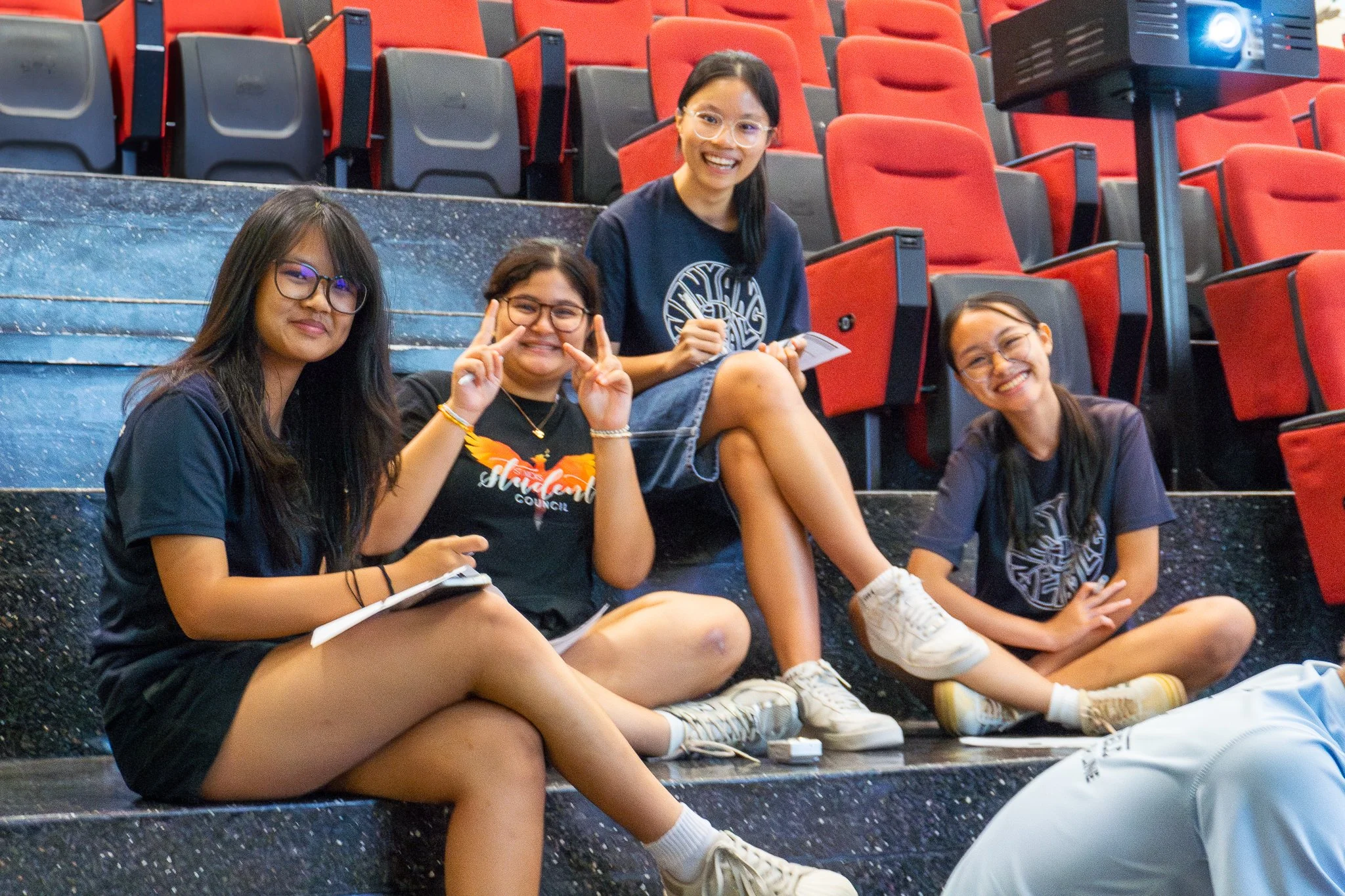
What does it actually take to lead well? For the Student Leaders' Network, the answer went beyond titles and responsibilities. Hence, they came to Friendzone with a clear goal: to give their members the interpersonal tools to lead with confidence.
About the Student Leaders' Network (SLN)
The Student Leaders' Network (SLN) is a youth-led network made up of 110 members across 12 schools that unites student leaders across Singapore, fostering a collaborative community where ideas, experiences, and practices can be exchanged and where positive change can be sparked.
When SLN's core team began planning their next phase of growth, they identified that many youth leadership programmes don’t cover the human skills that make leadership actually work such as:
How do you communicate with groupmates when tensions run high?
How do you network authentically with potential partners?
How do you walk into a room and leave a lasting impression?
To address this, they reached out to Friendzone.
The Challenge
Student leaders are often tasked with roles and responsibilities, but rarely supported with the interpersonal tools to carry them out effectively. SLN's leaders, though passionate and motivated, faced challenges around navigating awkward silences, making strong first impressions, showing genuine curiosity when forming new connections, and collaborating across differences. These are essential skills and they can be learned.
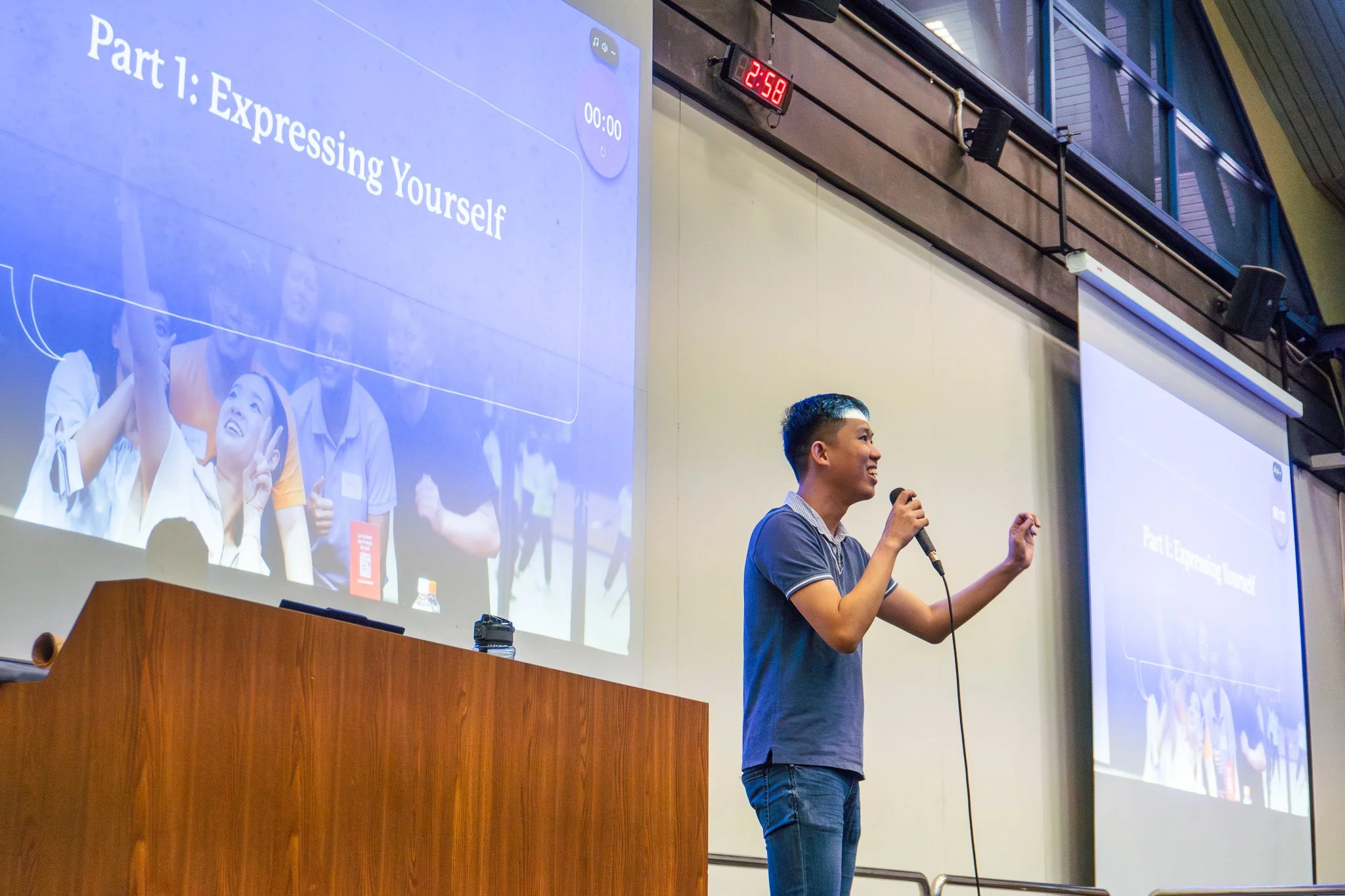
Our Approach: A 90-Minute Interactive Workshop
Friendzone designed and facilitated a 90-minute hands-on workshop led by our co-founder, Tham, tailored to the needs and life stage of SLN's student leaders. The session focused on strengthening leadership capabilities and building practical interpersonal skills, equipping students to serve and uplift their communities more effectively.
The session was structured around two core pillars:
Part 1: Presenting Ideas and Oneself
Students explored how to read the room in professional and community settings, create strong first impressions with different audiences, and communicate ideas clearly, both verbally and through non-verbal cues like body language, tone, and eye contact. Crucially, the session helped students understand how context and intention shape every interaction, whether they are presenting to a panel, speaking with a parent, or pitching an initiative to a grassroots leader.
Part 2: Building Connection in Formal Settings
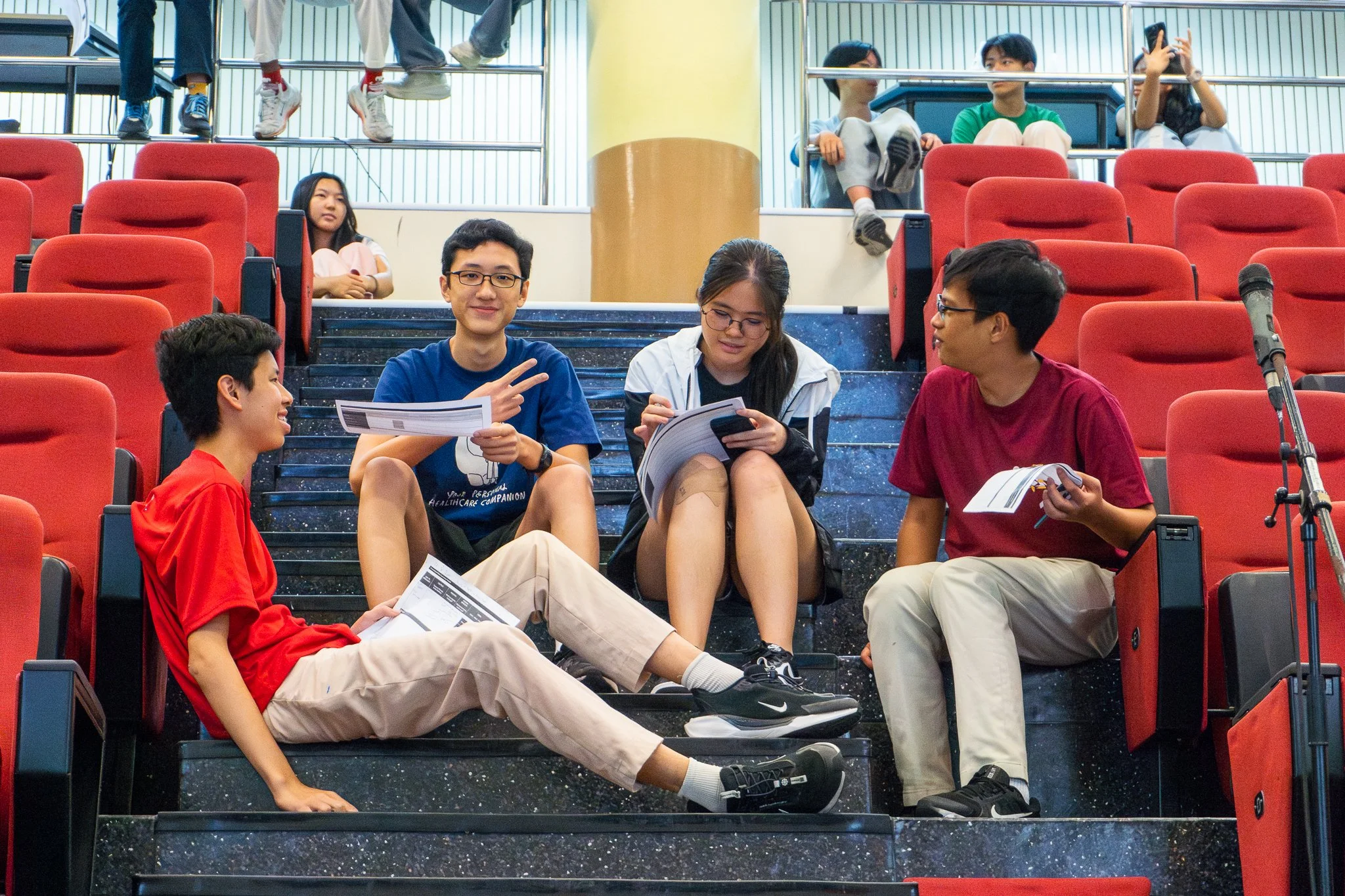
Students were introduced to the foundational skills of active listening, learning to recognise verbal and non-verbal cues, ask clarifying questions, and respond in ways that make people feel genuinely heard. They also practised how to follow up and exit conversations appropriately across different settings, from formal interviews to community engagements.
Throughout both pillars, learning was reinforced through structured role-play scenarios, peer feedback, and facilitated debriefs, giving students the chance to practise in a safe environment.
The Outcome
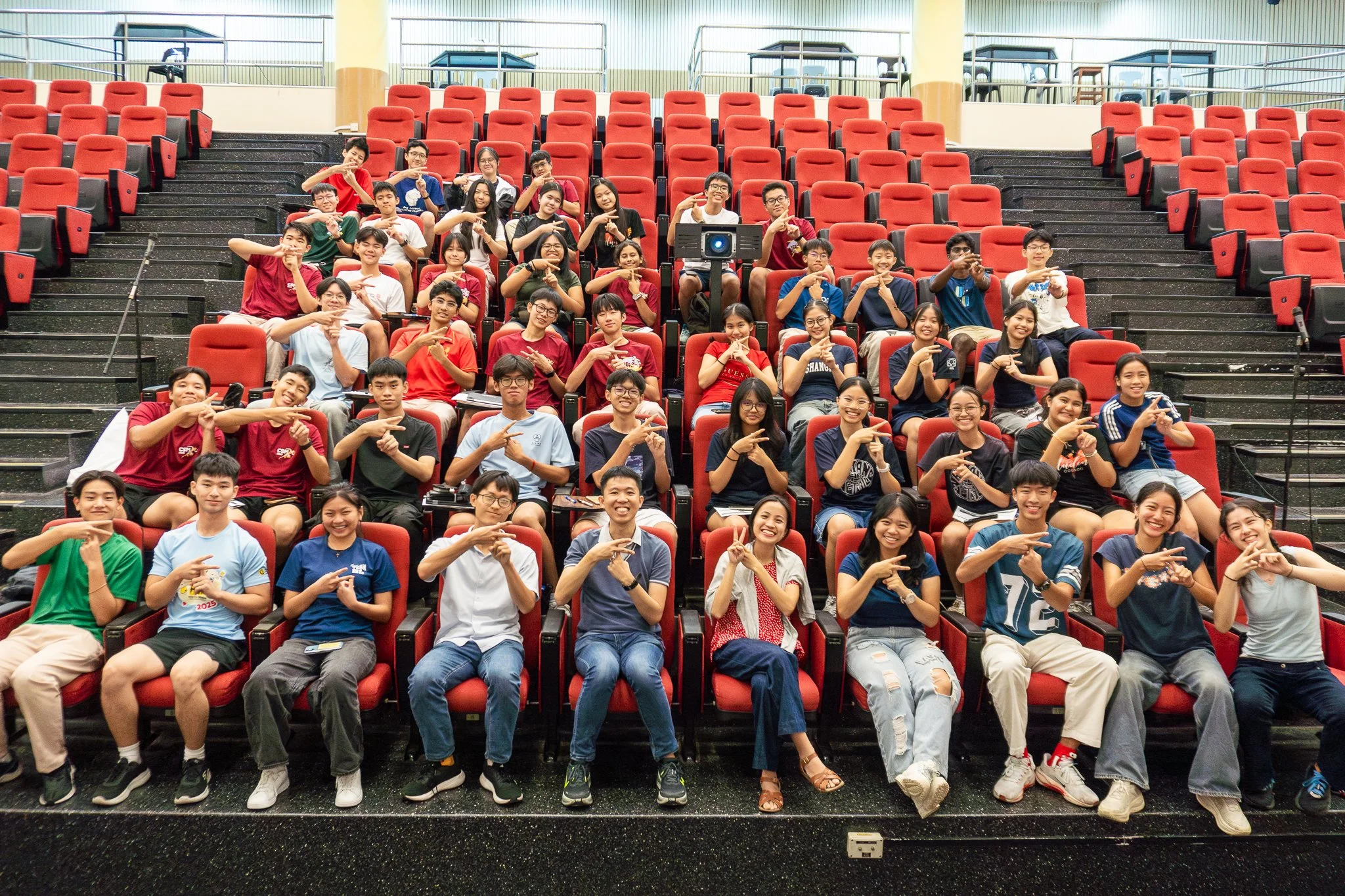
A total of 46 student leaders between the ages of 15 and 18 participated in the full workshop.
The response from the SLN team afterwards spoke for itself:
"We really want to thank you guys from the bottom of our hearts for taking the time to come down and conduct this workshop. The members thoroughly enjoyed it and learnt a lot — we genuinely hope you are able to continue doing all of this incredible work and inspiring the next generation of leaders."
- Kelly, SLN core team
What stood out to the SLN team was not just the quality of the content, but Friendzone's adaptability, working with a younger audience than usual and responding fluidly to the team's requests throughout the process.
Beyond the frameworks and role-plays, what students left with was something less tangible but equally important: the confidence that these skills are learnable, and that building connections is not a trait you're born with but a practice you can develop.
Ready to Go Beyond the Classroom?
Most leadership programmes focus on what students should do. Far fewer focus on how they should show up with the ability to communicate with intention, listen well, and build genuine connections — foundational to effective leadership that makes real change.
We design workshops that meet participants where they are, and we tailor every experience to your organisation's unique needs, context, and audience. Get in touch at hello@friendzone.sg to start the conversation.